The Spider Who Was Very Polite
she decided it was friendly
Say what it is about, out loud, together — a new school where the teacher is a crocodile, a capybara who runs the swimming pool, a football team made entirely of dinosaurs. Talebrix writes it, draws it and is designed to print and bind a real picture book at home, with your child’s name on the front as the author.
Joining is free. This is a launch list, not an order. See the books
A publisher needs an audience of thousands. A child needs an audience of one, sitting next to them. That is the whole difference, and it is why this shelf looks like this.
she decided it was friendly
made on the drive home
Tuesday, obviously
entirely his own idea
read four times before Monday
one word, and a lot of pointing
it had had enough
the cat solves it
Written examples of the books we are designing Talebrix to make
You are being sold a machine that writes stories, by people telling you your child is the author. So here is exactly which parts are theirs, and what it does with the ones they leave — and you can decide whether that is enough.
A fox, their sister, a detective who is also a cat. It has nothing in mind beforehand.
The question that turns a list of things into a story, and the one they think hardest about.
Theirs when they have one. When they shrug, it writes one rather than pressing them for it.
Their title goes on the cover, whatever it turns out to be, and their name goes under it either way.
None of the studies below is about Talebrix. Every one is about picture books read with a grown-up — which is what comes out of it, and the reason it makes a book rather than a file.
Parents and toddlers reading a print book together talked more, and more about the story, than the same pairs reading on a tablet — where the talk turned to the tablet.
Pediatrics, 2019Across thirty-nine studies and eighteen hundred children aged one to eight, children understood a story better from a paper book than the same story on a screen — and a grown-up reading along helped more than anything a screen could add.
Review of Educational Research, 2021Three year olds who heard the same story three times in a week learned more of the new words in it than children who heard three different stories using the same words. A book on a shelf is the same book tomorrow. A story on a screen is gone by morning, or comes back different.
Frontiers in Psychology, 2011In four to six year olds, what predicted their language — and how strongly the part of the brain that handles it responded — was not how many words they heard but how many turns of conversation they had with an adult. Making up a story together is turns, one after another.
Psychological Science, 2018A book your child made up, read to them by you, from paper, and asked for again tomorrow night. Every one of those is on the list above. It is what Talebrix is built around.
We know exactly what you are thinking. You are being sold a device with a display, by people telling you screens are the problem. So here is the whole of what it does, and then what your child is doing while it does it.
Children speak their ideas and choose between options on the touchscreen. There is no scrolling feed and no child account. The finished story is read as a printed book.
They say what the story is about, who is in it and what goes wrong — out loud, to you, in their own words. Putting an idea into words somebody else can follow is where writing starts.
The questions come out loud and are answered out loud. Then the book is read to them, by you, and a child who knows what is meant to happen next listens for it.
The pictures are printed on the page, not lit from behind. A picture book is how a child learns to read a picture before a word — who is frightened, where the fox went, what is about to happen.
A proper picture book, on card, with pages to turn and a cover to carry to school. Which way up, which way the pages go, where a story starts: that is learned by handling one.
Designed for ages 3–8, with parent-guided participation for younger children. The ages 1–2 examples are for shared reading. Drag the age to see the writing change; the planned book stays 26 pages.
These are example settings for a story, not limits on what your child can invent. Every Story Pack supplies material for 4 books; it does not fix the characters or unlock a world.
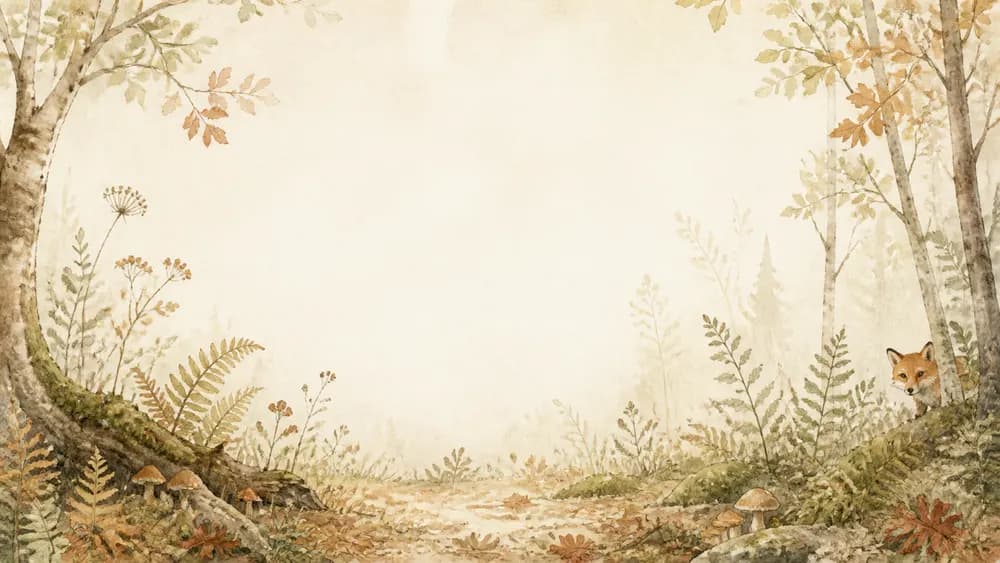
Woodland
Fox · Curious and kind
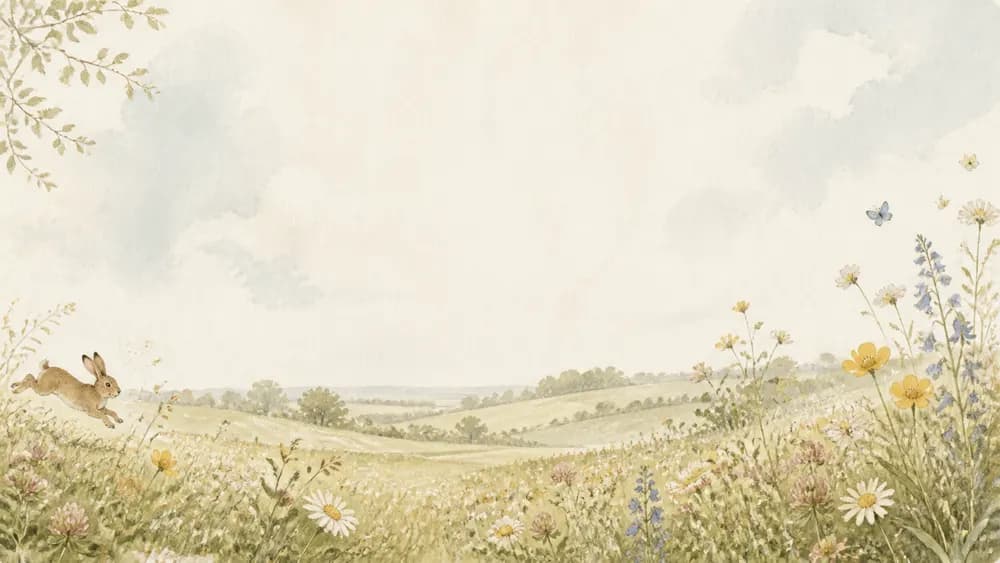
Meadow
Hare · Quick and joyful
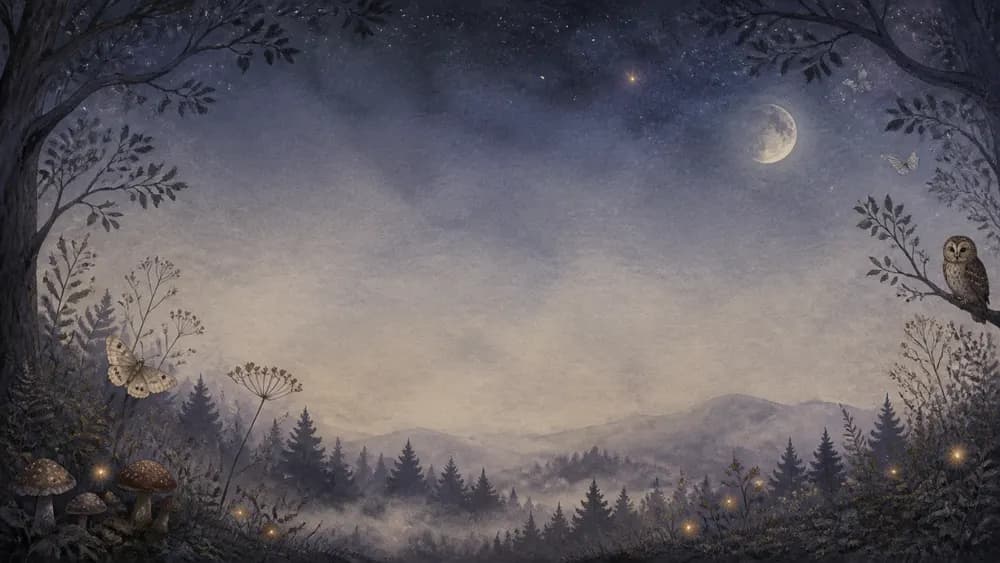
Night
Owl · Wise and watchful
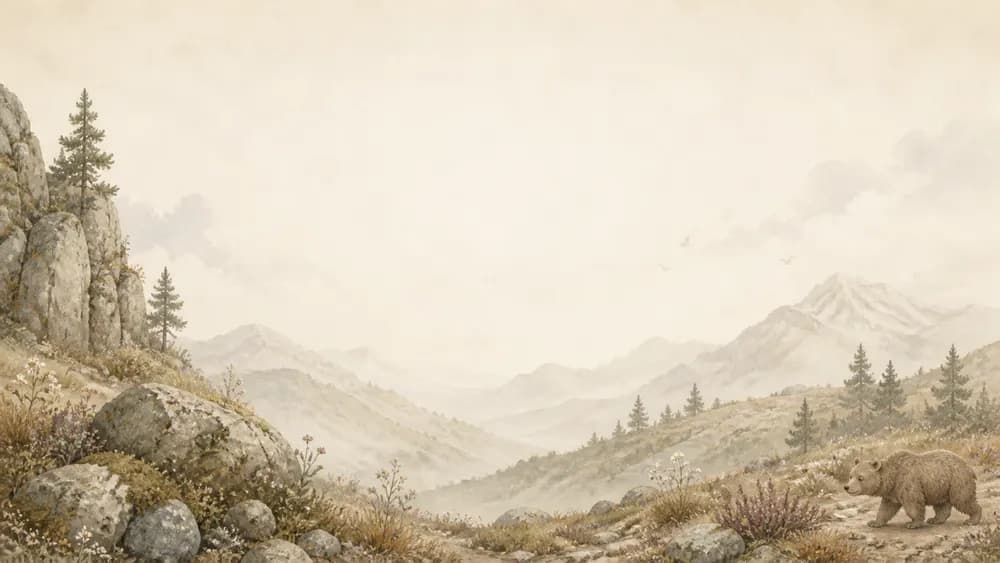
Mountain
Bear · Gentle and steady
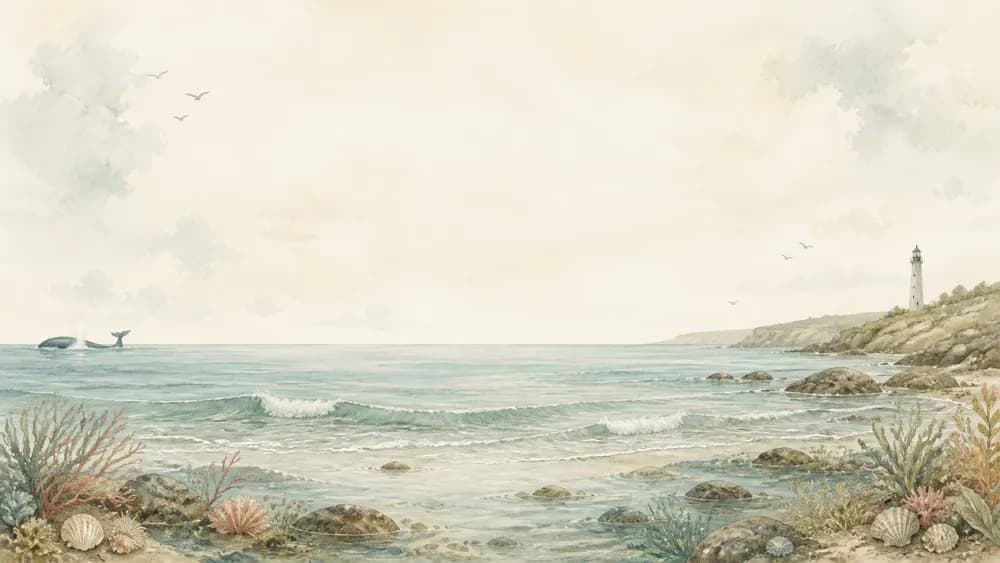
Ocean
Whale · Brave and curious
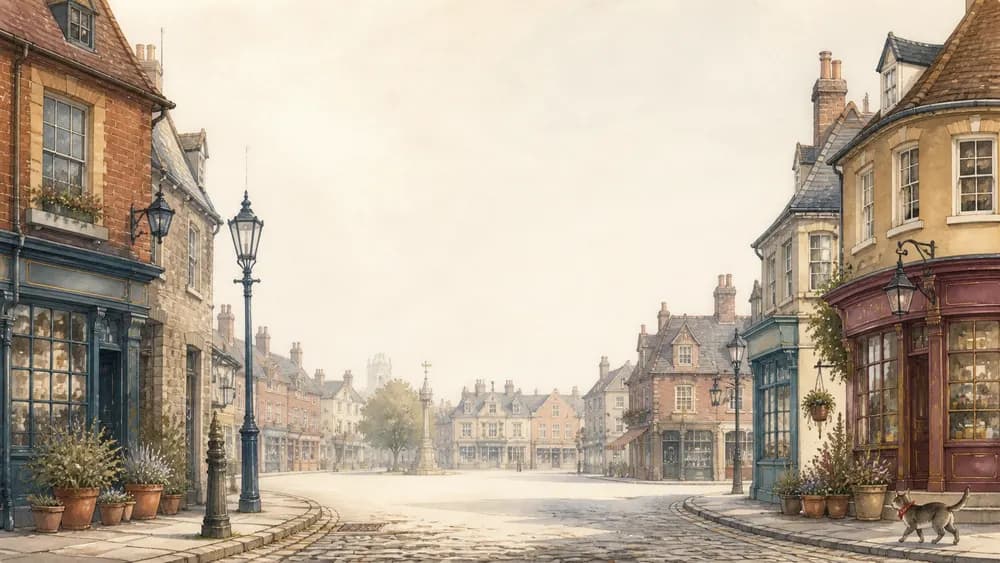
Town
Cat · Clever and adventurous
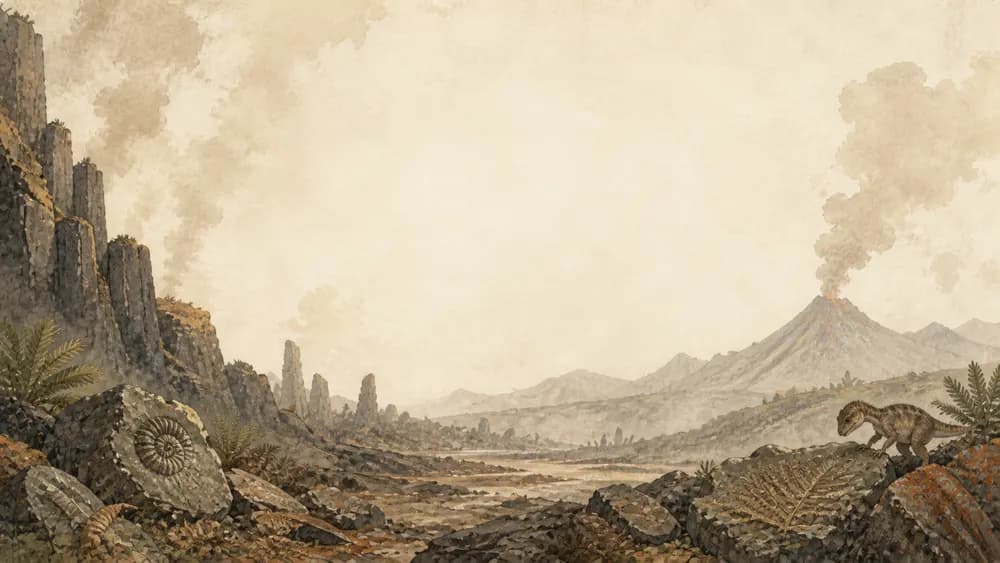
Long Ago
Dinosaur · Bold and wondering
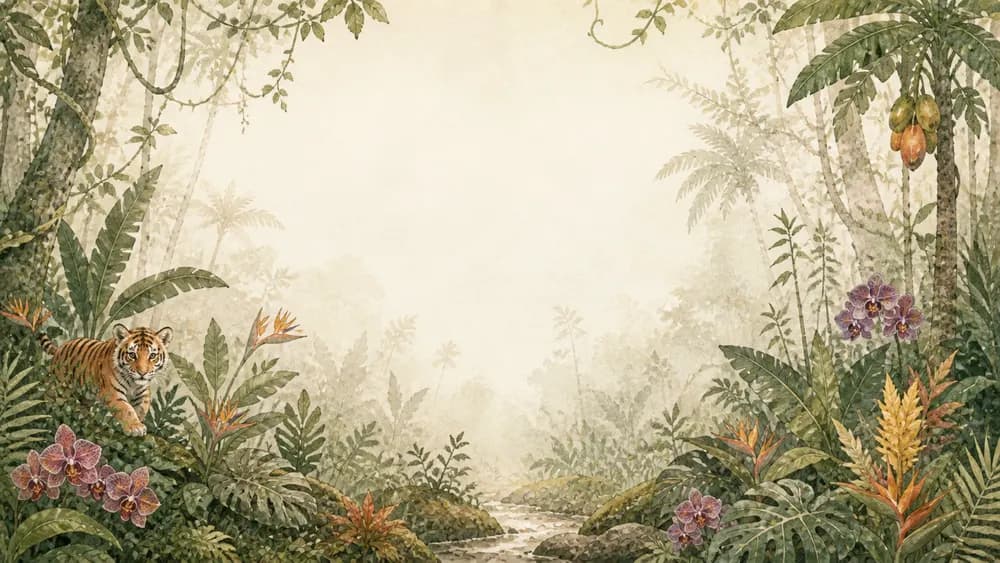
Jungle
Tiger · Bright and daring
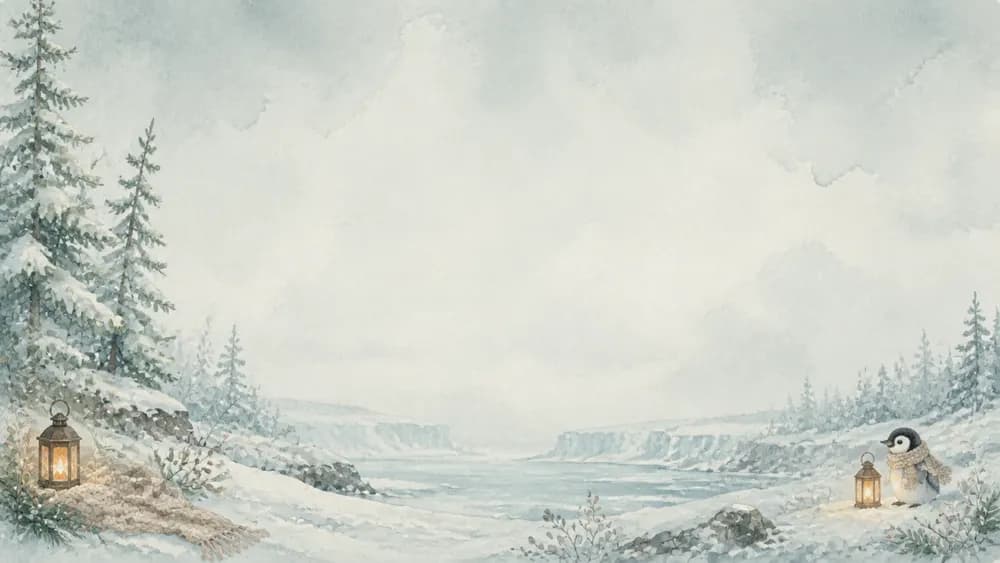
Snow
Penguin · Warm and cheerful
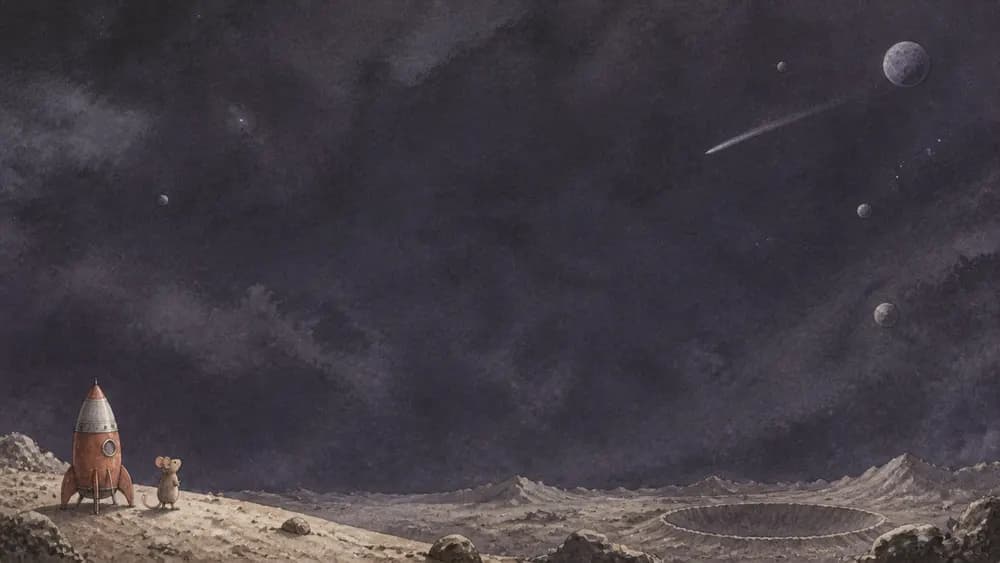
Space
Mouse · Quiet and fearless
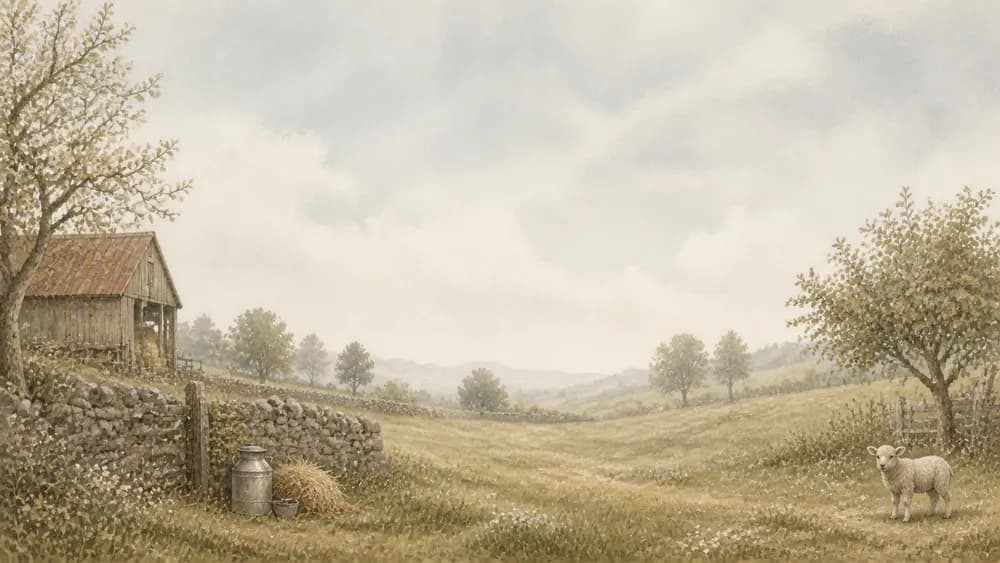
Farm
Sheep · Soft and friendly
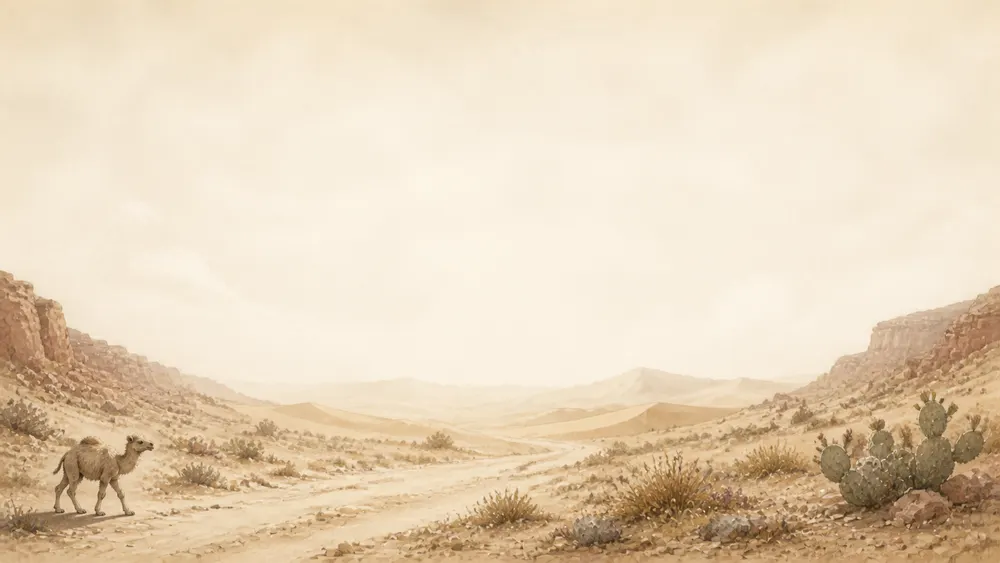
Desert
Camel · Calm and sure
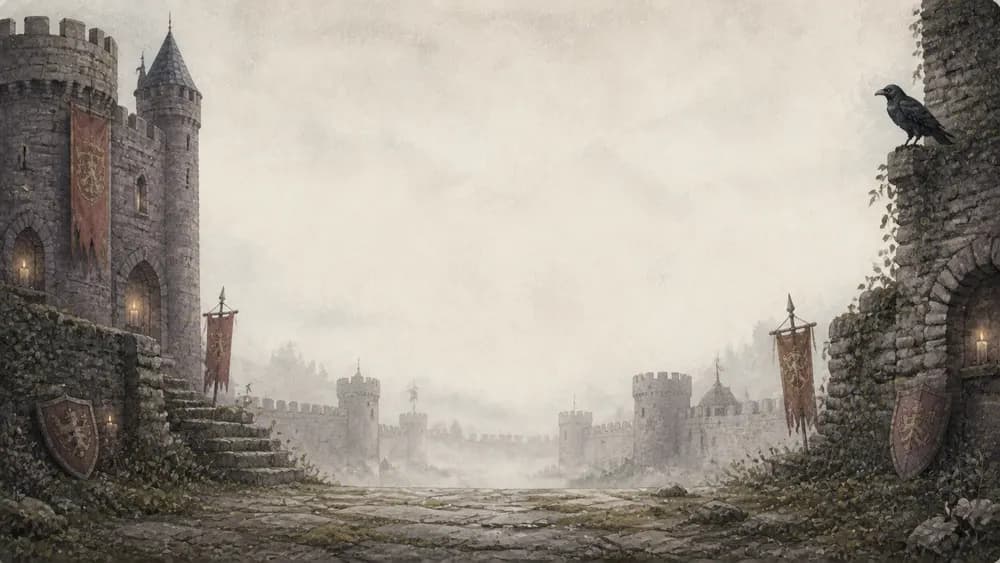
Castle
Raven · Proud and loyal
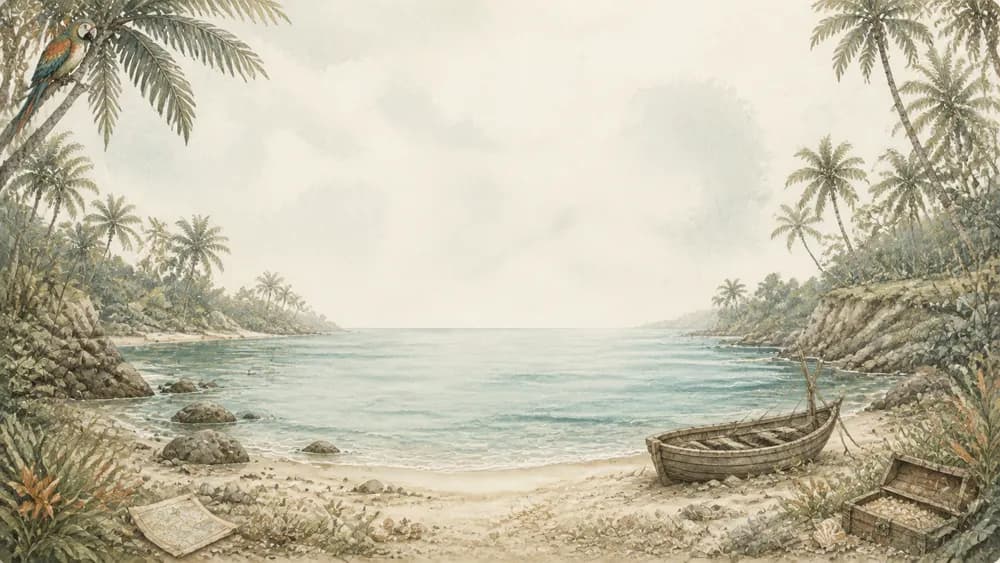
Island
Parrot · Merry and wild
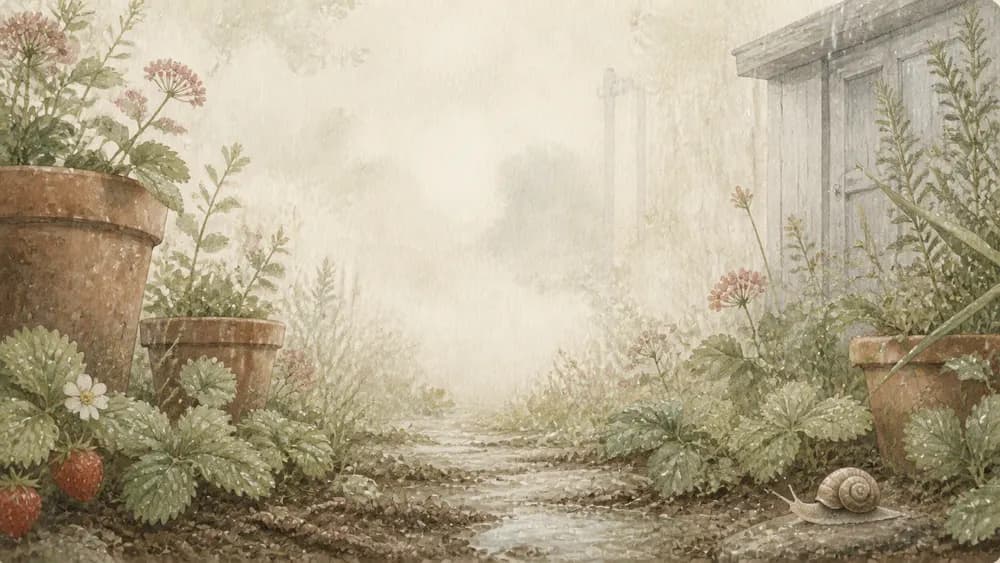
Garden
Snail · Small and patient
Sits on the side, about the size of a shoebox. One button to talk to it, and a slot the book comes out of. It plugs in and stays plugged in.
Then a Story Pack of 4 when you want to make more books, £3.75 in Story Pack material per book. A parent loads it through the top hatch. Ink pricing is to be confirmed.
Tell it the ages of who lives there and it writes to fit. The same idea comes out as two different books for a four year old and an eight year old.
Folded and sealed along the spine into a proper picture book, 148 × 210 mm portrait, on 250gsm card. Durability will be tested before launch.
Everything below is answerable now. Where the answer is “not yet”, it says that instead.
The machine does the writing and the drawing, and it has no story of its own to start from — so the book is made of what your child said and nothing that existed beforehand. What it is about, who is in it, where it happens, what goes wrong, how it ends, what it is called: they decide as much of that as they want to, and a four year old often says “a dragon one” and stops, in which case it writes the rest. What it will not do is write over something they did decide. That is the honest division of labour, and we would rather say it here than have you find it out afterwards.
No subscription is planned. Target launch prices are £199 including material for 4 books, then £15 per Story Pack of 4. Ink pricing and final pack contents will be confirmed before orders open.
Material for 4 books, loaded by a parent through the top hatch. The pack does not limit the setting or characters: those come from your child’s imagination. Woodland and Night are examples of story settings, not worlds you must buy to unlock.
No app or account is needed for the child. A parent sets up the device and its reading profiles. Children speak their ideas and choose between options on the touchscreen; the finished story is read as a printed book.
Whatever they say — a bin lorry that goes to space, a detective who is also a cat, a spider who turns out to be polite. It is not a personalised version of somebody else’s story, and the writing is pitched at the age of whoever is listening. It handles the ordinary things too: starting school on Monday, or somebody being in hospital.
Talebrix is designed primarily for children aged 3–8 to lead the story, with a parent nearby to help. Younger children can take part with a parent leading the activity. A parent handles setup and loading.
A personalised picture book puts a child’s name into a story somebody else wrote. This one has no story in it beforehand. The subject is whatever the child says it is, which is why the examples look like that — no publisher would print a book about a house that ran away because it had had enough, since there is a market of exactly one for it, sitting up in bed next to you.
The design target is a finished book within a few minutes. Printing has been bench-tested, but the complete print, fold and bond cycle has not yet been validated. We will publish measured timings before launch.
Designed for children aged 3–8. Younger children can take part with a parent leading the activity. The reading examples include ages 1–2 for shared reading; they are not a claim that toddlers can operate the device independently.
The planned format is a 26-page 148 × 210 mm portrait book on 250gsm card, folded and bonded into a bound picture book. Physical format stays the same while vocabulary and text density change with the reading level. Durability testing is still ahead.
It has a 7-inch colour touch panel for choosing between story options. There is no scrolling feed. The finished story is read as a printed book.
Not yet. How many we make depends on how many ask, and this page takes an email address rather than an order or a payment. Leave one and we will write to you when they are ready.
It gets the two emails this page promises — one straight away to say it is on the list, and one when they are ready — and then nothing else. This website never asks for anything about a child — not a name, not an age, not a birthday — and the age demonstration on this site stores nothing and sends nothing.
The planned parent setup uses a nickname and age or reading level, without requiring an exact birthday. Creating a book uses cloud processing for speech, story text and pictures. Audio deletion and a ban on provider training are design commitments that must be verified with suppliers before launch. This website does not collect child profiles.
Leave an email and we will write to you twice: once now, to say you are on the list, and once when they are ready. Nothing in between, which we appreciate is an unusual promise on a page like this.
Two emails, and nothing about a child, ever. What we do with it